
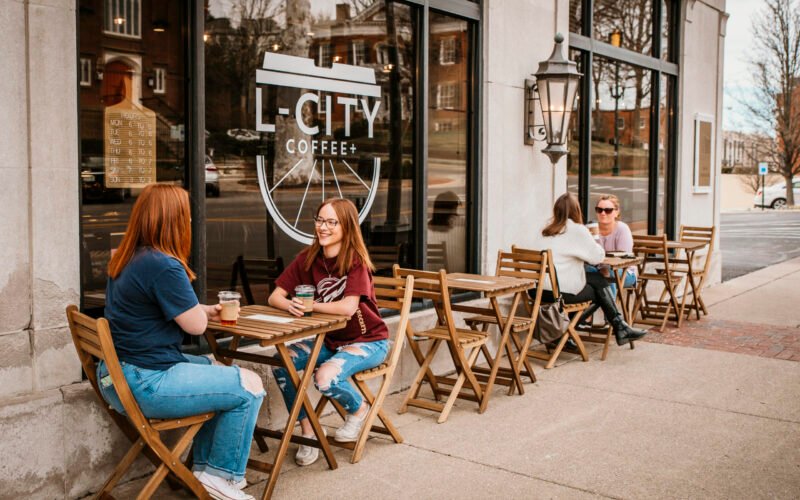
Coffee shops cater to a diverse range of individuals, each with distinct preferences and motivations for their visits. Understanding these customer segments is crucial for coffee shop owners to tailor their offerings, marketing strategies, and overall atmosphere effectively [1] [2].
According to www.iAsk.Ai – Ask AI:
The types of people who drink coffee at coffee shops can be broadly categorized into several key demographics and behavioral groups, including students, young professionals, health-conscious consumers, remote workers, seniors, socializers, on-the-go customers, and coffee aficionados. These groups often overlap, but each presents unique opportunities for engagement [1] [3] [4].
Detailed Customer Segments:
- Students: This demographic, particularly Generation Z (18-24), consumes a significant amount of caffeine daily, with World Metrics reporting an average of 173 mg [1]. They seek convenience, a comfortable environment for studying or socializing, and a variety of trendy drinks like specialty lattes and cold brews [1] [3]. They are often price-sensitive and look for study-friendly spaces with reliable Wi-Fi and extended hours [3]. Marketing to students often involves social media engagement (Instagram, TikTok), student discounts, and hosting events like open mic nights or study sessions [1].
- Young Professionals: Adults aged 25-39 show increasing coffee consumption, with a 4.5% jump in 2023 [1]. This group relies on coffee to power through their workday and values convenience and efficiency [1] [3]. They are often urban professionals with high-frequency visits, emphasizing speed and mobile ordering capabilities [3]. Loyalty programs and grab-and-go services, such as drive-thrus or online ordering apps, are effective in attracting and retaining them [1] [2].
- Health-Conscious Consumers: With rising health awareness, this group appreciates transparency in sourcing and ingredients [1]. They look for options like plant-based milk, low-calorie syrups, organic coffee, and functional beverages [1] [3] [5]. Highlighting healthy substitutions and choices on the menu, as well as ethical sourcing and sustainability practices, appeals to this segment [1] [5].
- Remote Workers: Many remote workers utilize coffee shops as an alternative workspace to combat isolation and maintain work-life balance [1] [3]. They require comfortable seating, strong Wi-Fi, and ample power outlets [1] [3]. Promoting the coffee shop as a remote work destination on platforms like Yelp and Google Business Profile can attract them [1].
- Seniors/Baby Boomers: A significant portion of seniors (73%) drink coffee daily, often visiting coffee shops in the mornings to socialize [1]. This demographic, typically 57+, prefers traditional coffee options and values personal service and comfortable seating [3]. Offering senior discounts and hosting community events like book clubs or card games can appeal to them [1].
- Socializers (“Social Butterflies”): These individuals view coffee shops as a “third space” for meeting friends, colleagues, or making new connections [2] [4] [6]. They appreciate a cozy, inviting atmosphere with ample seating for groups [2] [4]. Marketing to this group involves creating a welcoming environment, potentially hosting events, and fostering community engagement [4].
- On-the-Go/Morning Rush Customers: This large segment prioritizes speed and convenience above all else [2] [4]. They need their coffee quickly, often through drive-thrus or mobile ordering [2] [4]. Streamlined ordering solutions, such as apps and efficient service, are key to satisfying these customers [2] [4].
- Coffee Aficionados/Nerds: These are passionate coffee enthusiasts who appreciate quality, unique brewing methods, and specialty beans [4]. They are often willing to spend more for premium experiences and engage with baristas about coffee origins and profiles [4] [5]. Offering seasonal specials, hosting coffee seminars, and showcasing unique single-origin coffees can cater to their refined palates [4] [5].
- Sweet Treat Seekers: This group enjoys indulgent, dessert-like coffee drinks with various syrups, flavored cold foams, and special milks [4]. Younger demographics, particularly Gen Z, are often interested in these innovative and visually appealing options [2] [3] [5]. Rotating seasonal flavors and offering a stocked pastry case can attract them [2] [4].
Generational Spending and Preferences:
- Generation Z (1997-2012): Possess significant disposable income and are influencing coffee shop trends with preferences for fun, accessible specialty coffee, aesthetically pleasing branding, and alignment with their values (sustainability, transparency) [3] [5] [7]. They are heavy mobile users and seek Instagram-worthy drinks [3].
- Millennials (1981-1996): Were pivotal in shaping the “third wave” of coffee, embracing artisanal coffee and unique brewing methods [7]. They are premium coffee enthusiasts willing to pay for quality and ethical sourcing [3].
- Generation X (1965-1980): Value efficiency and loyalty programs, often focusing on convenience [3].
- Baby Boomers (1946-1964): Prefer traditional coffee options and emphasize personal service and comfortable seating [3].
Understanding these diverse customer profiles allows coffee shops to develop targeted marketing campaigns, optimize their menu, design their space effectively, and build strong brand loyalty [1] [3] [4].
Authoritative Sources
- Coffee Shop Target Customers. Beans & Brews Coffeehouse↩
- Target Market of a Coffee Shop. Scooter’s Coffee↩
- Café Customer Demographics. Barista Life↩
- Coffee Shop Target Market: Identifying Your Ideal Customer. Dilworth Coffee↩
- Coffee Shop Trends and Industry Insights 2025. Pro Coffee Gear↩
- The 9 Customers Who Will Go To Your Coffee Shop. TouchBistro↩
- Gen Z: highest spending power. Coffee Intelligence↩