
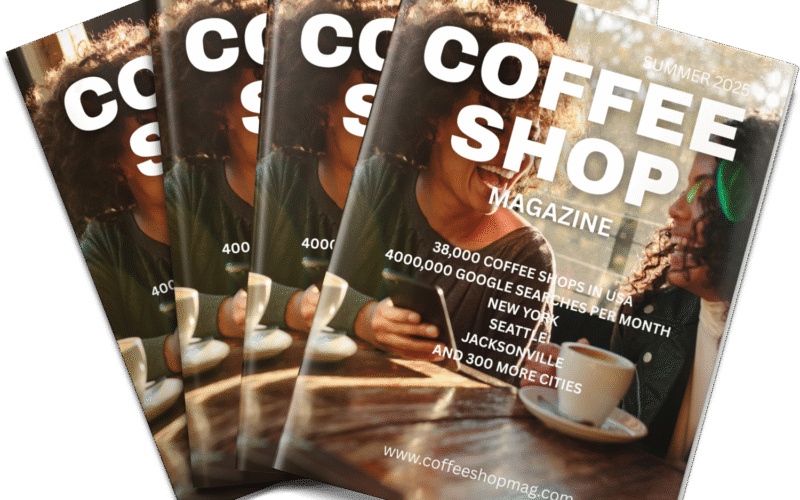
Coffee drinking is a deeply ingrained cultural and economic phenomenon in the United States, with a significant majority of adults consuming the beverage regularly. The U.S. coffee market is characterized by high daily consumption, substantial economic impact, and evolving consumer preferences, including a growing interest in specialty coffees and at-home brewing trends [1] [2] [3].
According to www.iAsk.Ai – Ask AI:
Approximately 66% to 73% of American adults drink coffee daily. This translates to hundreds of millions of cups consumed each day, making coffee a staple in American households and a significant contributor to the national economy [1] [2] [3] [4].
Daily and Annual Consumption
Americans consume an estimated 400 million cups of coffee daily, which totals approximately 146 billion cups annually [1]. On average, an American coffee drinker consumes about 3 cups per day, leading to an annual per capita consumption of roughly 1,095 cups [1] [3]. This places the U.S. among the top coffee-consuming nations globally, though some European countries surpass its per capita consumption [1].
Economic Impact
The U.S. coffee industry is a substantial economic force. Americans spend over $100 billion on coffee every year, supporting nearly 2.2 million U.S. jobs and contributing more than $343 billion to the U.S. economy annually [2]. This also generates approximately $38 billion in federal, state, and local taxes [2]. The vast majority of coffee consumed in the U.S. (over 99%) is imported, as only a few regions like Hawaii and Puerto Rico have suitable growing conditions [2]. Every dollar in coffee imports generates an estimated $43 of value for the U.S. economy [2].
Consumption Habits: At Home vs. Coffee Shops
A significant portion of coffee consumption occurs at home, with nearly 80% of Americans consuming at least one cup of coffee at home [1]. As of 2023, approximately 79% of American adults drink coffee at home [1]. The average American household spends about $75 annually on coffee for home consumption [1]. Drip coffee makers remain the most common brewing method at home, used by nearly 45% of coffee drinkers, though single-cup brewers and espresso machines are gaining popularity [1].
Coffee shop visits are also frequent, with about 36% of Americans visiting a coffee shop at least once a week, and 12% visiting daily [1]. On average, Americans spend approximately $21.32 per week on coffee shop purchases [1]. While major chains like Starbucks are dominant, there’s a growing trend towards local and independent coffee shops, particularly among younger demographics [1].
The COVID-19 pandemic significantly impacted consumption patterns, leading to an 85% increase in at-home coffee drinking and a reduction in coffee sales in public settings [1]. This shift encouraged many Americans to invest in new coffee machines and experiment with specialty drinks at home [1].
Demographics and Preferences
Coffee consumption varies across different demographic groups:
- Age: The 60 and older age group shows the highest coffee consumption rate at 72%, followed by 40-59 year olds at 64%, and 25-39 year olds at 63% [1]. Retirees are also most likely to drink coffee every day, at 81% [4].
- Gender: Men in the U.S. consume slightly more coffee by volume, drinking about 1.93 cups daily compared to women’s 1.82 cups [1]. However, women tend to spend more on coffee annually, estimated at $2,327 compared to $1,934 for men [1].
- Ethnicity: White Americans report the highest consumption at 64%, followed by Asian Americans (60%), Black Americans (54%), and Hispanic Americans (44%) [1].
- Roast Preference: Medium roast is preferred by 49% of Americans, while 28% prefer dark roast and 12% prefer light roast [4].
- Additives: 77% of people put milk or creamer in their coffee, with almond and oat milk preferences on the rise [4]. Only 18% prefer their coffee black, a significant decrease from 2022 [4].
Popular Coffee Drinks and Trends
While regular coffee remains popular, with 51% loving it, there’s a significant interest in specialty drinks [1]. The most popular types of coffee drinks include cappuccino (preferred by 55%), latte and mocha (44%), frappuccino (41%), and iced coffee (38%) [1]. Cold brew coffee has also seen a significant rise in popularity, especially among younger generations [1]. There’s an increasing preference for non-dairy milk alternatives like almond, soy, and oat milk in coffee drinks [1].
Health Benefits
Many Americans perceive health benefits from coffee consumption, with 48% agreeing that it benefits their health [4]. Studies suggest that drinking 1.5 to 3.5 cups of coffee daily may decrease mortality rates by 30% [4]. Additionally, consuming 4 or more cups of coffee a day has been associated with a 20% lower risk of stroke [4].